
Setting up a book swap box for your neighbourhood
Start with a simple kit
You do not need expensive gear to turn a local walk into a family nature journal. A small A5 notebook for each child, a couple of pencils, a hand lens, and a few wax crayons for leaf rubbings will fit in a rucksack pocket. Add a reusable bag for collecting fallen treasures — a single oak leaf, a feather, a smooth pebble — and a picnic mat for sitting still. The aim is to make recording easy, so keep the kit by the door, ready for a spare hour after school or a slow Sunday morning.
Choose a notebook with a plain or lightly lined page. Plain pages encourage sketching; lined pages suit lists of birds or weather notes. If you have very young children, a clipboard with a single sheet works better than a bound book. Date every entry, and write the location — even “the path behind the allotments” is enough. Over a year, that simple habit builds a real record of your patch.
Finding a footpath on your doorstep
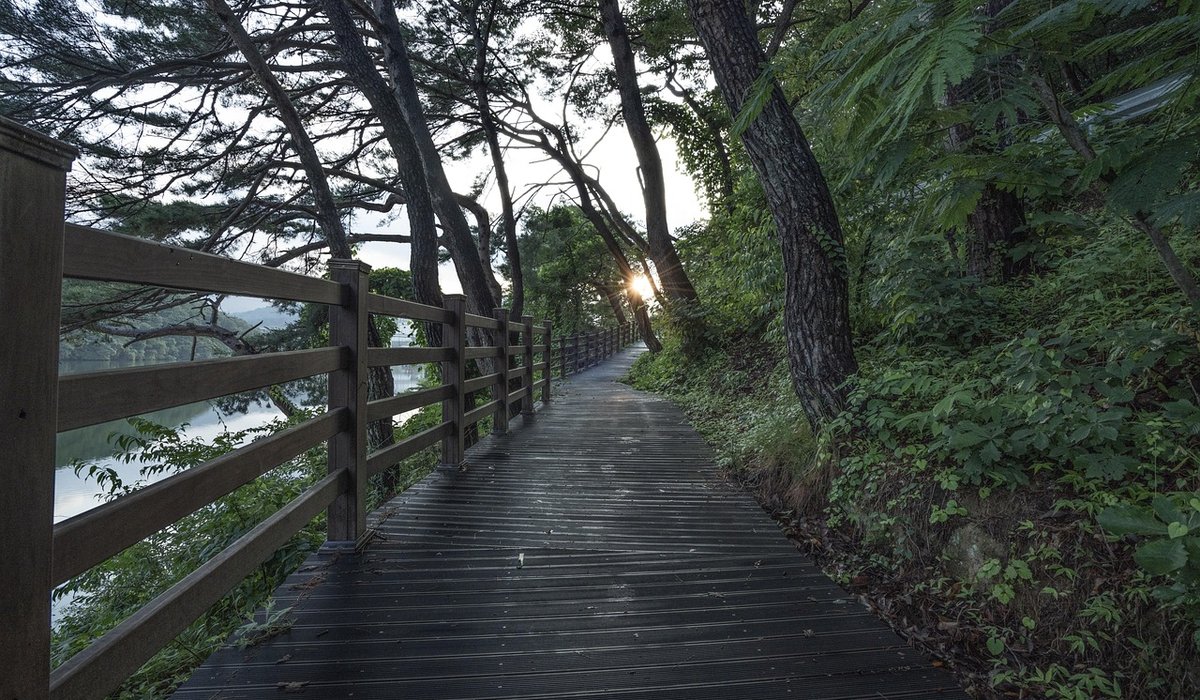
Most suburban areas are crisscrossed with public footpaths, bridleways, and quiet lanes. Start with your local council’s rights of way map, or a paper map of the area. Look for green dashed lines, stiles, and gate symbols. A path that runs beside a stream, through a pocket of woodland, or along the edge of a playing field is ideal. Aim for a route that takes 30–60 minutes at a child’s pace, with a bench or a log for resting.
Before you go, check for seasonal hazards: muddy patches after rain, nettles in summer, and fallen branches after a storm. Teach children to stay on the path, close gates behind them, and never to pick wildflowers or disturb nests. A short walk repeated often is better than a long one attempted once. You will start to notice small changes: the first blackthorn blossom, the last swallow, the way the path floods in November.
Prompts that spark curiosity
The best prompts are open-ended and take less than a minute to answer. Try these when energy dips or attention wanders.
- Leaf hunt: Find three leaves of different shapes. Sketch one, rub another with a crayon, and write where each came from.
- Bird watch: Sit quietly for five minutes. How many birds do you see? How many do you hear? Note their colours and what they are doing.
- Weather diary: Draw the sky. Is it clear, cloudy, or raining? Mark the wind direction with an arrow. Record the temperature by feel: cold, cool, mild, warm.
- Signs of the season: Look for buds, berries, fallen seeds, or animal tracks. Write one sentence about what has changed since your last walk.
- Sound map: Close your eyes. Draw a circle and mark where each sound comes from — a dog barking, a car, a wren singing.
These prompts work for a range of ages. Younger children can draw; older ones can add labels, measurements, or a question to investigate next time. The journal becomes a place to wonder, not a test.
Weather, seasons and small rituals
Weather is the easiest thing to record because it changes every day. Keep a simple chart on the inside cover: columns for date, sky, wind, and temperature. Use symbols — a sun, a cloud, a raindrop — so pre-writers can join in. After a few weeks, you will see patterns: which weeks were wettest, when the first frost arrived, how many sunny days you had in May. That is real data, gathered by your family.
Build small rituals around the journal. A Tuesday after-school walk to the same oak tree. A Saturday morning bird count from the same bench. A monthly puddle measurement after rain. Rituals reduce the effort of deciding where to go and help children feel ownership of the route. They also make the changing seasons visible: the tree that was bare in January is in full leaf by June.
Keeping the habit going
Life gets busy, so lower the bar. A ten-minute walk around the block counts. If you miss a week, write about that too — “we did not go because of football” is part of the story. Keep the journal in the car or by the front door. Invite a friend or another family once a month; shared walks often last longer and produce more observations.
At the end of each season, spend half an hour looking back through the pages. Which prompt did everyone enjoy most? What surprised you? Choose one thing to look for next season — the first swift, the first conker, the first hard frost. That is how a local footpath becomes a familiar landscape, and how children learn that nature is not somewhere you visit, but something that happens right outside the door.
LEAVE A COMMENT